

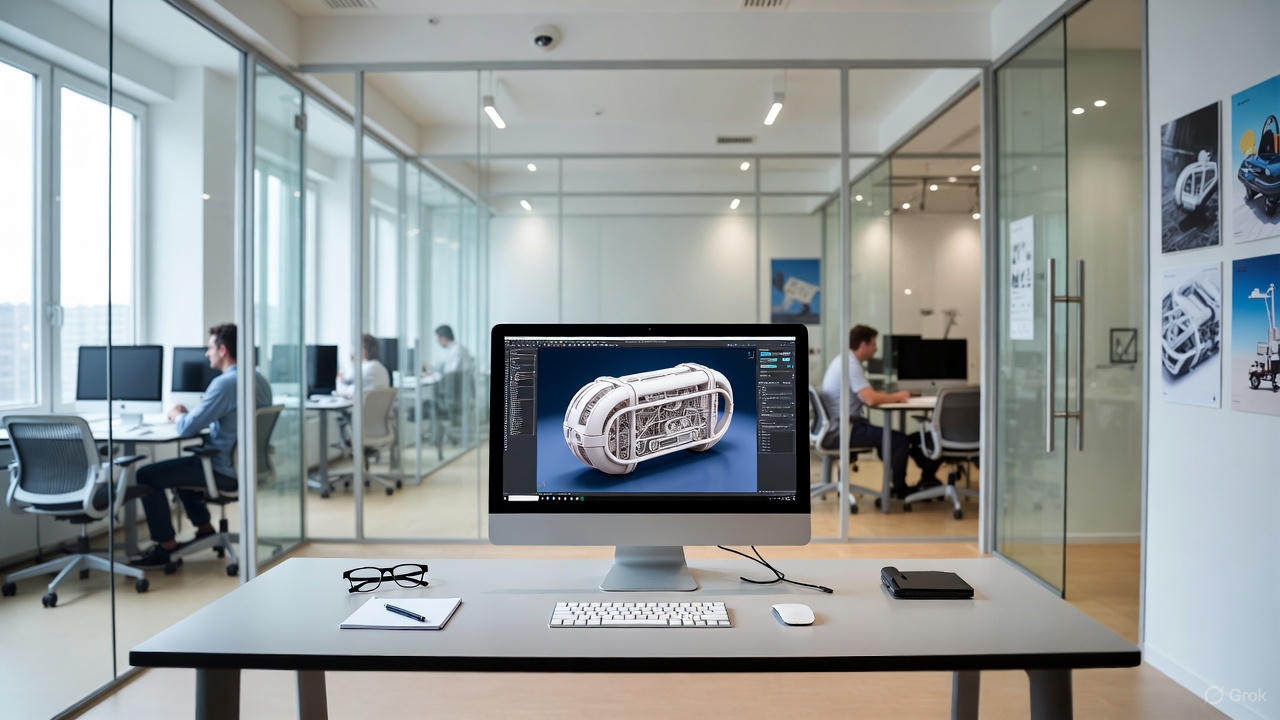
Industrial design is undergoing a major transformation as businesses embrace advanced digital workflows to stay competitive. In 2025, digital product visualization has become a vital part of how industries conceptualize, refine, and present products before manufacturing begins. This shift enables companies to improve efficiency, reduce errors, and communicate ideas with greater clarity.
As global markets demand faster development cycles and higher design accuracy, visualization-driven processes are no longer optional. They are essential for modern industrial success.
The Growing Importance of Digital Product Visualization in Industrial Design
Industrial projects often involve complex components, strict specifications, and multiple stakeholders. Traditional design methods can struggle to communicate these complexities effectively. Digital product visualization addresses this challenge by offering clear, detailed visual representations that help teams evaluate designs early in the process.
These visuals provide a shared reference point for designers, engineers, and decision-makers. By visualizing products digitally, industries can identify potential issues before production, saving both time and cost while maintaining design integrity.
How Digital Product Visualization Improves Design Accuracy
Accuracy is one of the most critical factors in industrial design. Small inconsistencies can lead to major production setbacks. With digital product visualization, designers gain greater control over proportions, materials, and structural details.
Digital Product Visualization for Precision-Driven Workflows
Using advanced visualization techniques, teams can review every aspect of a product in detail. This approach ensures that creative intent aligns with technical requirements, resulting in designs that are both functional and visually consistent. Precision-driven workflows, supported by our professional 3D modeling services, help reduce revisions and improve overall product quality.
Realistic Visuals Are Redefining Industrial Design Standards
Modern industries demand visuals that closely represent real-world conditions. Flat drawings are being replaced by realistic digital assets that simulate materials, lighting, and surface details. These realistic visuals allow teams to evaluate how products will look and perform in real environments.
With digital product visualization, industrial designers can create lifelike representations that enhance understanding and confidence during the approval process. This realism plays a key role in minimizing misinterpretation and improving final outcomes.
Enhancing Collaboration Across Industrial Teams
Industrial design projects involve cross-functional collaboration. Clear communication between departments is essential to avoid delays and misunderstandings. Visualization acts as a universal language that simplifies complex information.
Digital Product Visualization as a Collaboration Tool
By using digital product visualization, teams can collaborate more effectively, regardless of location or technical background. Stakeholders can review designs together, provide feedback quickly, and approve changes with clarity. This collaborative approach leads to smoother workflows and faster project completion.

Accelerating Product Development Through Visualization
Speed is a defining factor in today’s competitive landscape. Companies that can bring products to market faster gain a significant advantage. Visualization-based workflows enable rapid design iterations and early validation.
With digital product visualization, teams can explore multiple concepts, refine designs efficiently, and finalize products without unnecessary delays. This acceleration reduces development cycles while maintaining high design standards.
Supporting Marketing and Business Presentations
Visualization is no longer limited to design and engineering. It also plays an important role in marketing and client presentations. High-quality visuals help businesses showcase products before production begins, creating early engagement opportunities.
Using digital product visualization, companies can present ideas clearly to investors, clients, and partners. These visuals enhance credibility and help communicate value effectively across different business channels.
Technology Driving Digital Product Visualization Trends in 2025
Technological advancements continue to shape how visualization is used in industrial design. Real-time rendering, cloud-based collaboration, and automated workflows are becoming standard practices.
Digital Product Visualization and Future-Ready Design Processes
As technology evolves, digital product visualization is becoming more interactive and adaptive. These future-ready processes allow designers to respond quickly to changes, maintain creative flexibility, and deliver consistent results across projects.
Conclusion
In 2025, visualization is at the core of industrial design innovation. It empowers businesses to design smarter, collaborate better, and deliver products with confidence. Digital product visualization is no longer just a support tool—it is a strategic asset that drives efficiency, accuracy, and competitive advantage.
Industries that embrace visualization-driven workflows are better positioned to meet market demands, reduce risks, and achieve long-term success.
Call to Action
If you’re looking to elevate your industrial design process with advanced visual solutions, Digital Imaging Group is here to help. Our expertise in high-quality digital visualization allows businesses to transform ideas into clear, impactful visuals that support smarter decisions and stronger results.
Visit 3D Rendering Studio to explore how our visualization expertise can support your next industrial project.
Frequently Asked Questions (FAQ)
What is it used for in industrial design?
It helps create accurate product visuals before manufacturing to improve clarity and planning.
How does it reduce production risks?
Early visual reviews identify design issues before costly manufacturing begins.
Can it support marketing and presentations?
Yes, realistic visuals enhance client presentations and product marketing efforts.
Is it suitable for complex industrial projects?
Yes, it simplifies complex engineering and technical concepts for better understanding.